


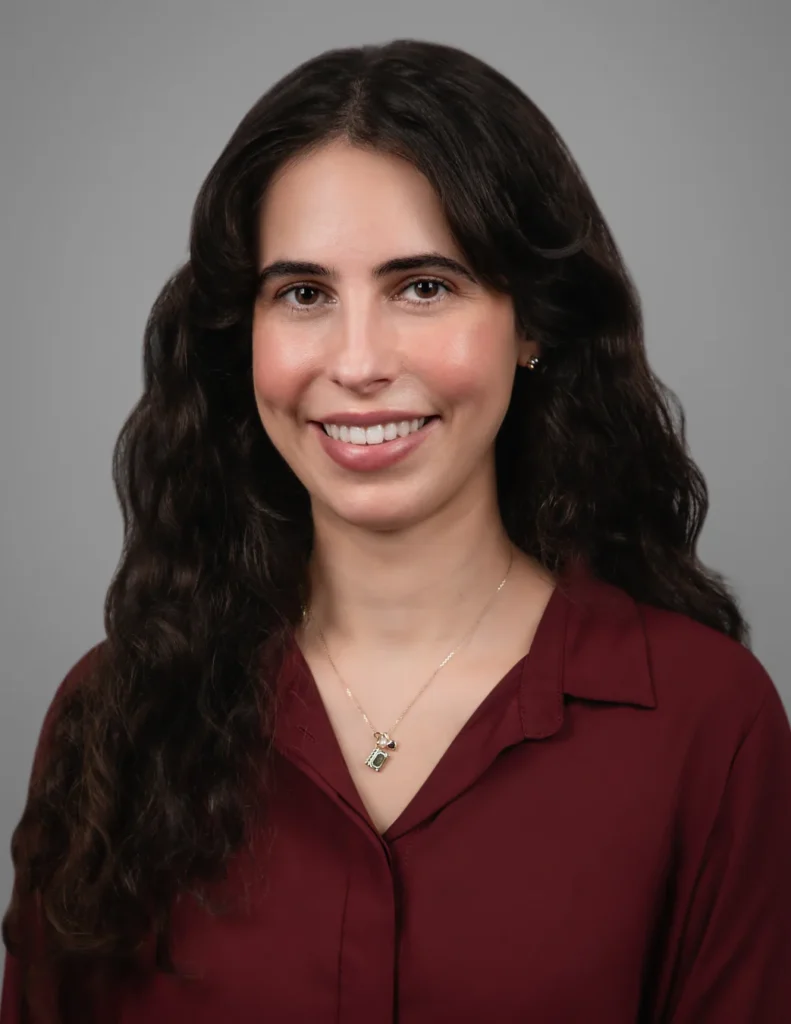
A great portrait does more than show what someone looks like. It captures personality, confidence, and a sense of individuality. Whether you’re updating your professional image, celebrating a milestone, or creating something artistic, finding the right portrait photography inspiration can help you turn a simple idea into a photograph that feels genuinely yours.
From timeless studio portraits to expressive editorial images, there are many creative directions to explore. The key is choosing a style that reflects who you are and how you want to be seen.
At Photo Studio 308 in New York City, portrait photography is among the studio’s services, alongside professional headshots and editorial portraits. If you’re considering a portrait session, the following ideas can help you develop a clear vision before stepping in front of the camera.
1. Classic Studio Portraits: Simple, Timeless, and Elegant
Some of the most memorable portraits are also the simplest. A clean background, thoughtful lighting, and a natural expression can create an image that remains relevant for years.
Classic studio portraits work particularly well when you want the attention to stay on your face and personality rather than the surroundings.
Ideas to try
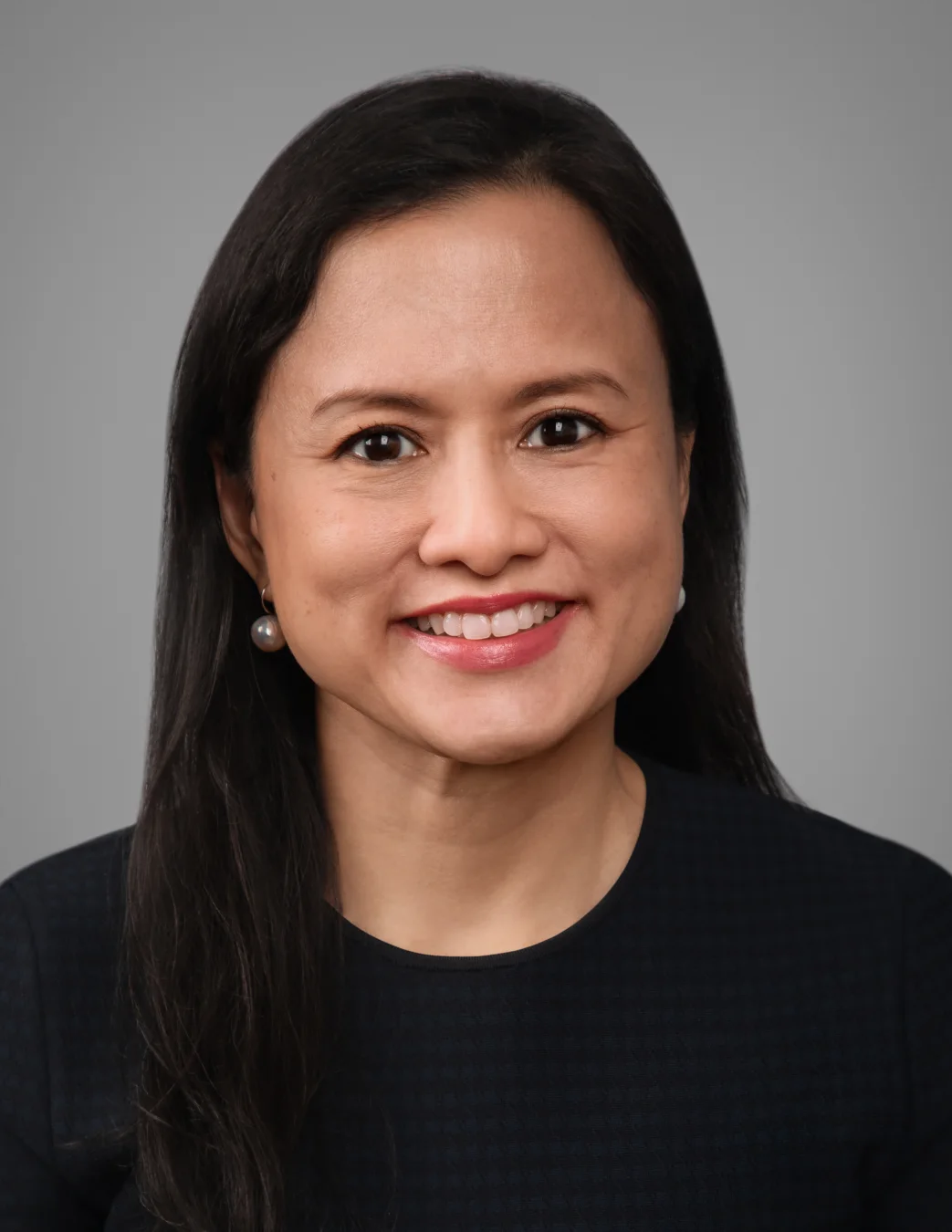
- Minimalist portraits: Choose a neutral background and simple clothing for a refined, uncluttered appearance.
- Black-and-white photography: Emphasize facial expressions, contrast, texture, and emotion without the distraction of color.
- Close-up portraits: Focus on the eyes and subtle expressions to create a stronger connection with the viewer.
- Seated portraits: Use a chair or stool to create relaxed, composed poses that feel natural rather than overly formal.
For a classic look, consider solid-colored clothing and minimal accessories. Small details such as posture, shoulder position, and the direction of your gaze can make a significant difference.
2. Creative Lighting Ideas That Change the Mood
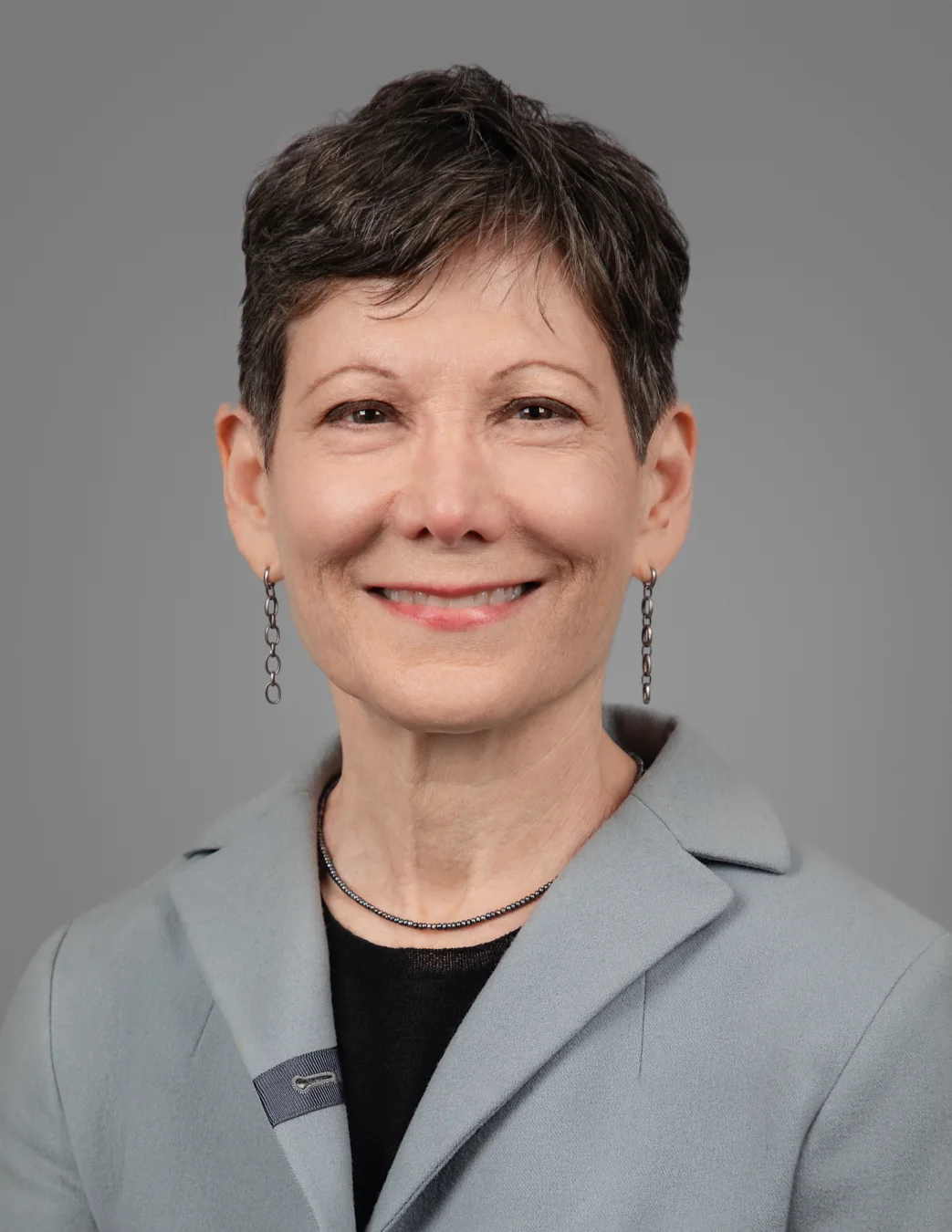
Lighting is one of the most powerful tools in portrait photography. The same person, outfit, and background can produce dramatically different results depending on how the light is positioned and shaped.
Soft, flattering light
Soft lighting creates gentle transitions between highlights and shadows. It’s an excellent choice for approachable professional portraits, personal branding images, and photographs with a calm, polished appearance.
Dramatic side lighting
Light coming predominantly from one side can emphasize facial structure and create a cinematic atmosphere. This approach is particularly effective for artistic portraits and images intended to communicate strength or intensity.
Bright, high-key portraits
A light background and relatively even illumination can produce a fresh, modern aesthetic. High-key portraits are worth considering when you want an optimistic, clean, and contemporary look.
Low-key portraits
Darker backgrounds and controlled highlights create depth and mystery. This style can be especially compelling for editorial photography or expressive personal portraits.
When collecting inspiration images, pay attention to the lighting rather than just the pose. Ask yourself whether you prefer bright and welcoming photographs or something more dramatic and atmospheric.
3. Natural Portrait Poses That Feel Authentic
One of the most common concerns before a portrait session is not knowing how to pose. Fortunately, strong portraits rarely require complicated movements.
Small adjustments to posture, hands, and facial expression often create more natural results than exaggerated poses.
- The slight turn: Angle your shoulders away from the camera while bringing your face back toward the lens for a flattering, dimensional composition.
- The relaxed seated pose: Sit comfortably, lean slightly forward, and keep your shoulders relaxed.
- The thoughtful look: Look just beyond the camera for a reflective, candid atmosphere.
- The confident standing portrait: Stand tall with balanced posture and a comfortable hand position.
- The natural smile: Think about something genuinely enjoyable instead of trying to hold a fixed expression.
Movement can also help. A slight shift in weight, a change in gaze, or a brief pause between expressions may produce a photograph that feels less staged.
4. Editorial Portrait Photography for a More Creative Look
Editorial portraits borrow visual ideas from magazines, fashion photography, and visual storytelling. Rather than simply documenting someone’s appearance, these images use styling, composition, and mood to communicate a particular identity or concept.
For portrait photography inspiration with a fashion-forward feel, consider these directions:
- Monochromatic styling: Wear different shades of one color for a coordinated, sophisticated appearance.
- Bold wardrobe choices: Use a structured jacket, distinctive fabric, or statement accessory as a visual focal point.
- Expressive compositions: Experiment with off-center framing, negative space, or unusual camera angles.
- Movement-inspired portraits: Incorporate subtle motion through hair, clothing, or body positioning.
- Cinematic portraits: Combine directional lighting with thoughtful expressions for an image reminiscent of a movie still.
Editorial photography can be especially appealing to creative professionals, artists, entrepreneurs, and anyone seeking portraits that communicate a distinct personal style.
5. Professional Portrait Inspiration for Different Careers
A professional portrait should feel appropriate for its intended audience without sacrificing personality. The ideal visual style for a lawyer may differ from the image a creative director or physician wants to present.
Doctors and medical professionals
Consider an approachable expression, polished attire, and a clean background. Depending on the intended use, professional clothing or a white coat may help communicate the person’s role. The overall impression should balance professionalism with warmth.
Lawyers and legal professionals
Structured clothing, confident posture, and understated lighting can communicate credibility and composure. A natural expression helps prevent the portrait from appearing unnecessarily rigid.
Banking and finance professionals
Classic business attire and a neutral studio background can create a polished, consistent image suitable for professional profiles, corporate websites, and business communications.
Entrepreneurs and business owners
Personal branding portraits offer more flexibility. Depending on your industry, you might choose a traditional business look, a relaxed contemporary portrait, or an editorial approach that reflects your brand’s personality.
Before selecting a style, consider where the final photograph will appear. A tightly framed LinkedIn profile image serves a different purpose from a wider portrait used on an About page or in a press feature.
6. Outfit and Background Combinations Worth Trying
Clothing and background choices work together to establish the visual character of a portrait. Rather than choosing each independently, think about how the colors, textures, and overall mood will complement one another.
- Dark clothing with a dark background: Creates a sophisticated, dramatic portrait, particularly when the face is carefully illuminated.
- Light clothing with a neutral background: Produces an airy, understated appearance suitable for modern professional images.
- Earth tones with warm neutrals: Offers a natural, approachable aesthetic.
- A bold outfit against a simple backdrop: Keeps attention on your personal style without overwhelming the composition.
- Textured fabrics with soft lighting: Adds visual interest while preserving a classic portrait feel.
A useful rule is to choose clothing that fits comfortably and allows you to move naturally. Avoid making wardrobe decisions based only on trends if those choices don’t reflect your everyday style or the purpose of the photograph.
7. Portrait Photography Ideas for Personal Milestones
Not every portrait needs a professional purpose. Photography can also document a meaningful chapter in your life.
Birthday portraits, graduation photographs, anniversary images, and personal creative projects offer opportunities to experiment with styling and expression.
For a birthday portrait, you might explore elegant eveningwear, a favorite color palette, or a fashion-inspired concept. Graduation portraits may benefit from a combination of traditional attire and more personal, relaxed images. A creative self-portrait session can focus on a mood, visual theme, or artistic interest.
The strongest starting point is often a simple question: What would you like this photograph to remind you of five or ten years from now?
8. How to Build a Portrait Photography Mood Board
Collecting reference photographs is one of the easiest ways to communicate your vision. However, a useful mood board is more than a collection of attractive images.
Start by choosing five to eight portraits that share elements you genuinely like. Then identify what makes each photograph appealing.
- Lighting: Is it soft, bright, moody, or dramatic?
- Expression: Does the subject appear confident, relaxed, serious, or playful?
- Composition: Do you prefer close-ups, half-body portraits, or wider photographs?
- Styling: Are the outfits formal, casual, minimalist, or fashion-oriented?
- Background: Does the setting add to the story, or does a simple backdrop work better?
Try to identify two or three consistent preferences rather than attempting to recreate every reference image. A mood board should provide direction while leaving room for your own personality.
9. Choosing the Right Portrait Style for Your Goals
With so many portrait photography ideas available, the most useful choice is the one that fits how you intend to use the photographs.
For a corporate website or LinkedIn profile, prioritize clear facial visibility, professional styling, and an approachable expression. For personal branding, consider images that reveal more of your personality and professional identity. For editorial or creative portraits, you may want to experiment with dramatic lighting, distinctive styling, and unconventional compositions.
It’s also worth thinking about the final image format. A square profile photograph needs a different composition from a wide website banner or a vertical editorial portrait. Discussing the intended use before a session can help guide framing and styling decisions.
Bring Your Portrait Photography Ideas to Life in NYC
Portrait photography inspiration is most valuable when it helps you discover what feels authentic. You don’t need an elaborate concept or extensive modeling experience to create a compelling portrait. A clear purpose, thoughtful styling, and an openness to experimenting with expressions can go a long way.
Photo Studio 308 offers portrait photography, professional headshots, and editorial portraits in New York City. Whether your inspiration is timeless and minimalist or expressive and fashion-forward, begin by identifying the look you want and the purpose your photographs will serve.
Have a portrait idea in mind? Visit Photo Studio 308 to explore the studio’s photography services and request a quote for your portrait session in NYC.